
By Datanex
Updated June 28, 2026
The traditional, static company profile? It’s officially on life support, at least here in Malaysia. Recent reports from a number of leading digital agencies across Kuala Lumpur indicate a significant, almost seismic, shift in what businesses are demanding when it comes to presenting themselves. We’re talking about an urgent uptick in requests for dynamic, interactive digital company profiles, moving well beyond the PDF brochures of yesteryear.
This isn’t just a fleeting trend; it’s a direct response to the accelerating adoption of Web3 technologies and a palpable hunger for more immersive brand storytelling. Especially among tech-forward companies and those keenly aware of their younger, digitally native audiences. From what I’ve seen covering this sector for years, this isn’t merely an upgrade; it’s a fundamental re-evaluation of how a company’s identity is designed and communicated.
Key Takeaways
- Demand for interactive digital company profiles in Malaysia, particularly KL, is surging, driven by Web3 and a need for immersive brand storytelling.
- Traditional static profiles are becoming obsolete as companies seek dynamic, engaging experiences.
- Company profile design in Malaysia is evolving to incorporate AR/VR, gamification, and blockchain elements.
- This shift requires new skill sets for designers, moving beyond graphic design to include UX/UI, animation, and Web3 integration.
- The goal is to create memorable, shareable experiences that resonate with modern, tech-savvy audiences.
- Companies are leveraging these profiles for enhanced investor relations, talent acquisition, and market differentiation.
What’s Driving This Shift in Company Profile Design?
The primary catalyst for this evolution in impactful company profile design is the rapid maturation of Web3 technologies and the increasing digital fluency of Malaysian consumers and businesses. It’s not just about having a website anymore; it’s about creating an experience.
I’ve spoken with numerous CEOs and marketing directors in KL over the past few months, and the recurring theme is clear: they feel their existing, often PDF-based, company profiles simply don’t capture their brand’s essence or innovation. They want something that *shows* rather than just *tells*. The younger generation, especially, expects interactivity and engagement. They’ve grown up with dynamic content, and a flat document just doesn’t cut it. According to a 2025 report by the Malaysia Digital Economy Corporation (MDEC), over 60% of Malaysian businesses surveyed indicated plans to increase their investment in digital experience technologies over the next two years, a clear signal of this directional shift.
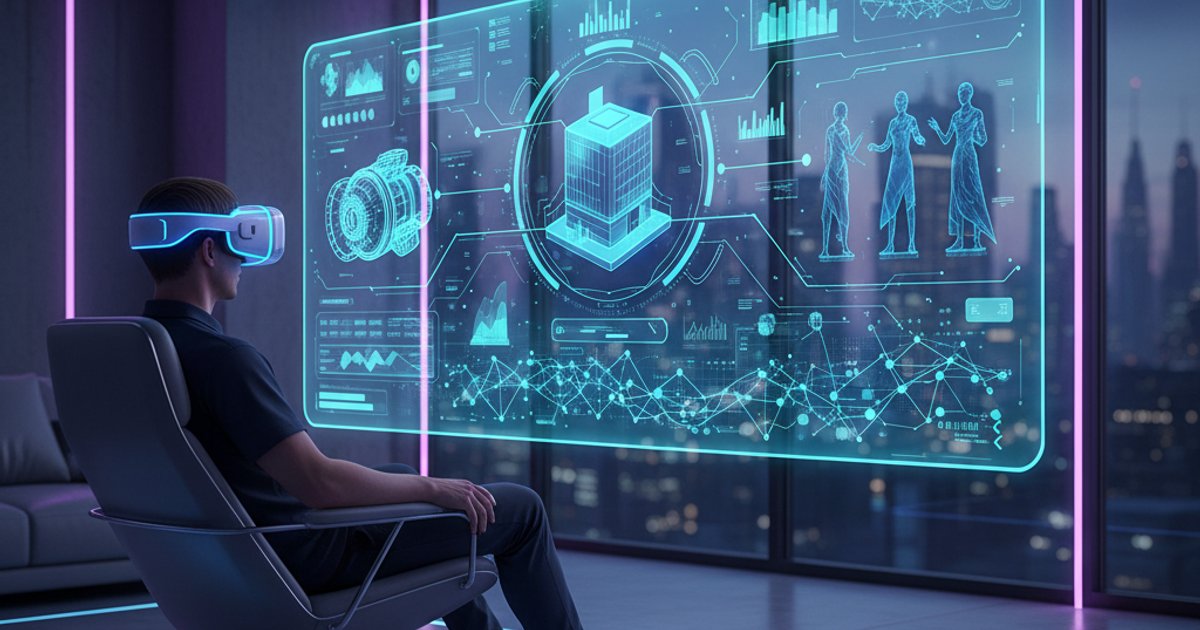
This isn’t about chasing buzzwords. It’s about genuine utility. Imagine a potential investor or a top-tier talent candidate being able to virtually walk through your company’s latest R&D lab, interact with a 3D model of your product, or see real-time data visualizations of your impact. That’s the power we’re talking about. It’s a far cry from a bullet-point list of achievements.
How Are Companies Leveraging Interactive Elements and Web3?
Companies are moving beyond simple embedded videos to truly immersive experiences. We’re seeing everything from augmented reality (AR) overlays to full-blown virtual reality (VR) tours and even blockchain-verified credentials.
For instance, a property developer might offer an AR experience where you can point your phone at their logo and see a 3D model of their latest project rise from your table. Or a tech startup might integrate a gamified element where prospective employees can solve a challenge related to their core business, unlocking exclusive content about the company culture. This is especially potent for companies in high-growth sectors like fintech, gaming, and sustainable technology, where innovation is part of their core identity.
Web3, in particular, opens up fascinating possibilities. Think about a company profile that includes token-gated access to exclusive content for shareholders or partners, or a verifiable digital badge system for employees showcasing their contributions, all secured on a blockchain. It’s about building trust and community in a decentralized way. I saw a brilliant example recently from a Malaysian e-commerce firm that embedded a verifiable certificate of authenticity for their products directly into their digital profile, using NFTs. It’s a smart move, because it leverages transparency to build consumer confidence.
What Does This Mean for Company Profile Design in KL?
For designers and agencies specializing in company profile design in Kuala Lumpur, this shift is both a challenge and an immense opportunity. The skill sets required are broadening dramatically.
It’s no longer enough to be proficient in graphic design software. Now, agencies need talent in UX/UI design, 3D modeling, animation, front-end development, and even an understanding of blockchain principles. The design process itself has become far more collaborative, often involving content strategists, developers, and even legal teams (especially when dealing with Web3 elements). What strikes me is how much more strategic the initial discovery phase has become. It’s less about ‘what do you want to say?’ and more about ‘what experience do you want to create?’
The market for these specialized services is booming. I’ve heard from several KL-based design houses that their backlog for interactive profile projects has grown by over 150% in the last year alone. This is creating a talent crunch, but also pushing local designers to upskill rapidly. It’s a thrilling time to be in the creative industry here.
Traditional vs. Interactive: A Comparison
To truly grasp the magnitude of this shift, let’s look at how traditional company profiles stack up against their interactive counterparts:
| Feature | Traditional Company Profile | Interactive Digital Company Profile |
|---|---|---|
| Format | Static PDF, printed brochure | Dynamic web experience, app-based, AR/VR integration |
| Engagement | Passive reading | Active interaction, exploration, gamification |
| Content | Text, static images, charts | Rich media (video, 3D models), animations, real-time data, AR/VR |
| Reach | Email attachments, physical handouts | Shareable links, social media, embeddable widgets, metaverse platforms |
| Update Frequency | Infrequent, costly to revise | Real-time, agile updates |
| Analytics | None (unless tracked via download link) | Detailed user engagement metrics |
| Cost (Initial) | Lower | Higher (due to complexity) |
| ROI (Long-term) | Limited | Potentially much higher (engagement, conversion) |

The Impact on Brand Storytelling and Engagement
The real story here isn’t just about technology — it’s about how technology enables better storytelling. An dynamic digital company profile design allows brands to craft narratives that are not only informative but also deeply engaging and memorable.
Consider a company focused on sustainability. Instead of just stating their commitment, an interactive profile could let users explore a virtual forest planted with their initiatives, see real-time data on carbon reduction, or even participate in a mini-game about eco-friendly practices. This creates an emotional connection, a sense of shared purpose that a static document simply cannot achieve. It’s about turning passive consumption into active participation.
This enhanced engagement translates directly into stronger brand recall, better talent attraction, and more meaningful connections with investors and partners. When a profile becomes an experience, it leaves a lasting impression. And in today’s crowded digital landscape, making a lasting impression is everything.
The Future of Company Profile Design Malaysia: Beyond the Screen
Where do we go from here? The trajectory is clear: company profiles will become even more integrated into our digital lives. We’re already seeing glimpses of profiles that exist not just on a webpage but as persistent digital identities within metaverse platforms.
Imagine a future where your company’s profile is a fully realized virtual space, a digital twin of your headquarters, where potential clients can ‘visit,’ interact with AI-powered representatives, and even attend virtual events. This isn’t science fiction anymore; it’s the logical next step. For companies in Malaysia, especially those aiming for regional or global leadership, embracing this future now is critical. The ones who hesitate risk being left behind, communicating with yesterday’s tools in tomorrow’s world.
The honest answer is that nobody knows for certain every single innovation that will emerge, but the evidence suggests that the demand for truly immersive, verifiable, and dynamic company profiles will only grow. It’s a fascinating time for multi-platform company profile ecosystem design in KL, and I’m genuinely excited to see the creativity that emerges from this new paradigm.
Frequently Asked Questions
What is an interactive digital company profile?
An interactive digital company profile is a dynamic, multimedia-rich presentation of a company’s identity, values, and offerings. Unlike static documents, it allows users to actively engage with content through elements like videos, 3D models, augmented reality, and gamified experiences.
Why are Malaysian companies, especially in KL, adopting these new profiles?
Malaysian companies are adopting interactive profiles to better engage with tech-savvy audiences, enhance brand storytelling, and differentiate themselves in a competitive market. The rise of Web3 technologies and a desire for immersive experiences are key drivers.
How does Web3 technology integrate into company profile design?
Web3 integration can include blockchain-verified credentials, token-gated access to exclusive content, NFT-based digital assets, or even decentralized identity management, adding layers of trust, transparency, and unique engagement opportunities.
What skills are now essential for company profile designers in Malaysia?
Beyond traditional graphic design, designers now need expertise in UX/UI design, 3D modeling, animation, front-end development, and a foundational understanding of Web3 concepts and immersive technologies like AR/VR.
Are interactive company profiles more expensive to create than traditional ones?
Initially, yes, interactive digital profiles often require a higher investment due to the complexity of development, specialized skill sets, and technology integration. However, their long-term ROI can be significantly higher due to increased engagement and effectiveness.
Can small and medium-sized enterprises (SMEs) in Malaysia benefit from interactive profiles?
Absolutely. While the initial cost might seem higher, interactive profiles offer SMEs a powerful way to punch above their weight, stand out against larger competitors, and attract talent and investment by showcasing their innovation and vision in a compelling way.
How long does it take to develop a comprehensive interactive company profile?
The timeline varies greatly depending on complexity, features, and content. A basic interactive profile might take a few weeks, while a highly immersive, Web3-integrated experience could take several months of dedicated design and development work.
Last updated: June 28, 2026