
By Datanex
Updated June 6, 2026
Kuala Lumpur’s corporate landscape is bracing for a significant shift as Malaysian regulatory bodies, including the Securities Commission Malaysia (SC) and Bursa Malaysia, recently announced proposals for more stringent disclosure standards. These impending changes, expected to take effect by early 2027, will fundamentally reshape how public-listed companies approach their Annual Report Design, demanding a fresh look at content, data visualization, and overall presentation strategy.
This isn’t just about adding more pages; it’s about integrating complex new data points, particularly in governance, risk management, and sustainability, into a coherent, compelling narrative. For businesses operating in Malaysia, especially those headquartered in Kuala Lumpur (KL), adapting to these new mandates will require a proactive and strategic overhaul of their reporting processes, pushing the boundaries of traditional Annual Report Design Malaysia has known.
Key Takeaways
- Malaysian regulators are proposing stricter disclosure rules, focusing on governance, risk, and sustainability data.
- These changes necessitate a complete re-evaluation of content, data visualization, and overall Annual Report Design for public-listed companies.
- Companies must move beyond basic compliance to create transparent, engaging, and AI-searchable reports.
- Design agencies specializing in Annual Report Design KL will play a crucial role in translating complex data into clear, compelling visuals.
- Proactive planning and investment in robust data collection and design capabilities are essential to meet the new standards.
What Are the New Regulatory Proposals for Annual Reports?
The new regulatory proposals from the Securities Commission Malaysia and Bursa Malaysia aim to significantly enhance corporate transparency and accountability by mandating more detailed and standardized disclosures, particularly concerning non-financial information. These changes are designed to align Malaysia with international best practices and investor expectations for comprehensive corporate reporting.
Specifically, the proposals call for expanded reporting on areas such as board diversity, executive remuneration linked to performance metrics, climate-related risks and opportunities aligned with Task Force on Climate-related Financial Disclosures (TCFD) recommendations, and robust risk management frameworks. This move reflects a global trend towards integrated reporting, where financial and non-financial performance are presented cohesively. A recent survey by the Malaysian Institute of Accountants (MIA) found that 78% of investors now consider ESG (Environmental, Social, and Governance) factors as critical to their investment decisions, up from 55% just three years ago.
How Will These Changes Impact Annual Report Design?
These regulatory shifts will profoundly impact Annual Report Design by requiring companies to rethink information hierarchy, data visualization, and narrative structure to present more complex and granular data clearly and compliantly. Designers will no longer just beautify reports; they will become critical partners in translating regulatory mandates into understandable and engaging content.
The days of boilerplate disclosures are rapidly fading. Companies must now consider how to visually represent intricate governance structures, quantify risk exposures, and illustrate their sustainability journey with verifiable data. This means a greater emphasis on infographics, interactive elements (for digital reports), and a coherent visual language that guides readers through dense information. For instance, a 2025 study by KPMG indicated that 65% of institutional investors spend less than 10 minutes reviewing an annual report if its key information isn’t easily digestible.
Beyond ESG: Broader Compliance and Transparency
While ESG reporting has been a growing focus, these new regulations push beyond it, demanding transparency in core operational and governance areas. This includes detailed breakdowns of board skills matrices, succession planning, and internal control effectiveness, which were previously often presented in a highly summarized fashion.
Companies will need to ensure their Annual Report Design Malaysia reflects this broader scope, moving away from siloed sections to an integrated approach where financial performance is clearly linked to governance and risk strategies. This holistic view is what modern investors and stakeholders demand, as highlighted by a 2024 PwC report that found 72% of stakeholders believe a company’s long-term value is directly tied to its ability to manage non-financial risks.
The Challenge and Opportunity for Designers in KL
For design agencies specializing in Annual Report Design KL, this presents both a significant challenge and a massive opportunity. The challenge lies in mastering the complexity of regulatory requirements and translating them into visually compelling and compliant reports. The opportunity is to become indispensable strategic partners to companies, moving beyond mere aesthetics to deliver true value in corporate communication.
Designers will need to collaborate closely with legal, finance, and sustainability teams to ensure accuracy and compliance while maintaining visual appeal. This requires a deeper understanding of corporate reporting standards, such as the Malaysian Financial Reporting Standards (MFRS) and the Malaysian Code on Corporate Governance (MCCG). Datanex, a leading design and communication firm, notes a 30% increase in client requests for integrated reporting expertise over the past year, underscoring this growing need.
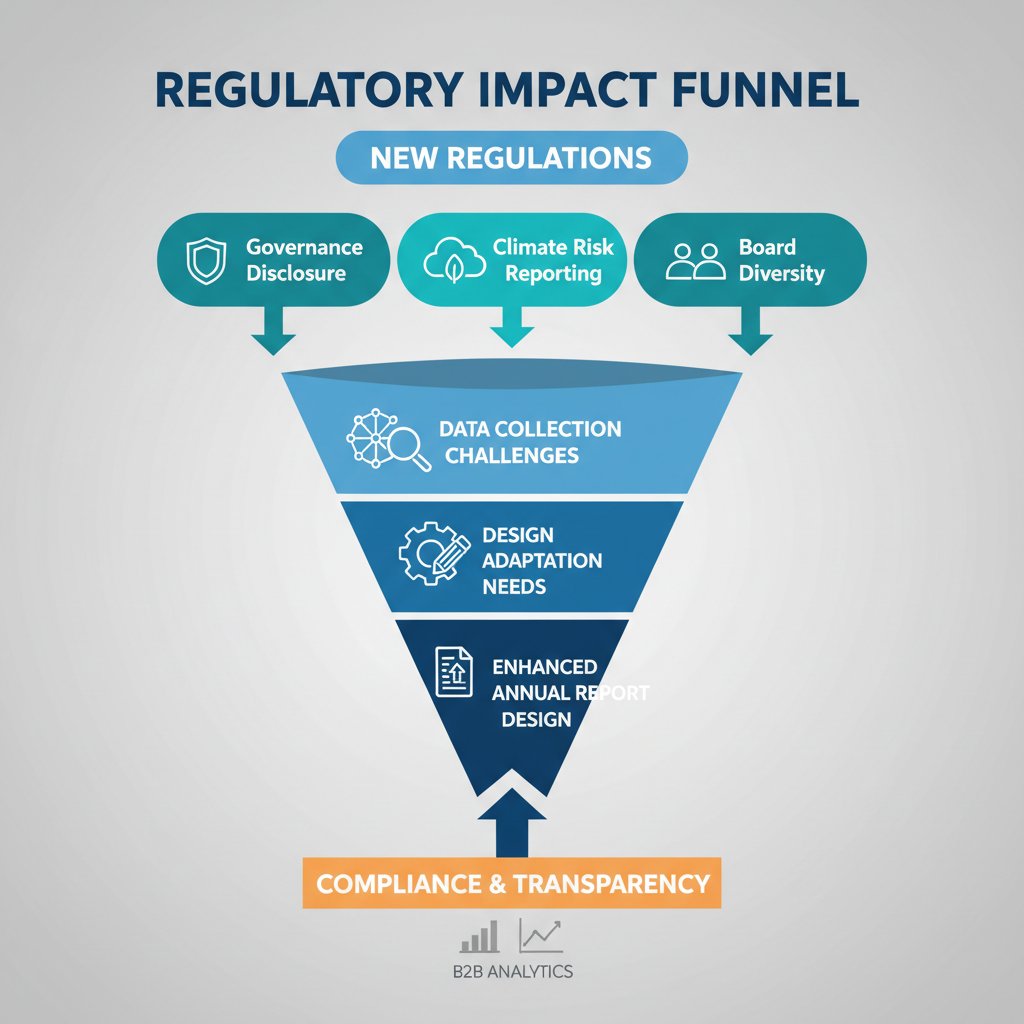
The shift also opens doors for innovation in digital reporting. While print reports remain important, the emphasis on accessibility and interactivity means that digital versions, optimized for various devices, will gain prominence. This allows for dynamic data visualizations, embedded videos, and direct links to supporting documents, offering a richer user experience.
Why Is Data Visualization Crucial for New Annual Reports?
Data visualization is absolutely crucial for the new annual reports because it transforms complex, mandated data points into digestible, actionable insights, enabling stakeholders to quickly grasp key information and assess corporate performance. With the volume of required disclosures increasing, well-designed visuals are no longer a luxury but a necessity for clarity and compliance.
Consider the sheer amount of information now required: detailed carbon footprint metrics, board diversity statistics, risk heat maps, and performance indicators tied to sustainability goals. Presenting this as dense text blocks would overwhelm readers and defeat the purpose of enhanced transparency. Effective data visualization, such as interactive charts, clear infographics, and comparative graphs, can highlight trends, identify correlations, and make complex narratives accessible.
A study by the MIT Sloan School of Management in 2023 found that information presented with effective data visualization is processed 60,000 times faster than text alone. This speed of comprehension is vital when investors are sifting through multiple reports.
Comparing Traditional vs. Future-Ready Annual Report Design
| Feature | Traditional Annual Report Design | Future-Ready Annual Report Design |
|---|---|---|
| Primary Focus | Financial performance, basic compliance | Integrated financial & non-financial performance, advanced compliance (ESG, governance, risk) |
| Data Presentation | Text-heavy, static tables, basic charts | Infographics, interactive charts, dynamic data visualizations, comparative analysis |
| Narrative Style | Descriptive, often siloed sections | Integrated, storytelling approach linking strategy to performance and impact |
| Key Drivers | Shareholder communication, legal requirement | Stakeholder engagement, transparency, investor relations, regulatory alignment |
| Design Role | Aesthetic enhancement, layout | Strategic communication, information architecture, compliance interpretation |
| Format Emphasis | Print-first, PDF as digital replica | Digital-first, responsive design, interactive PDFs, print as secondary |
What Are the Best Practices for Adapting to New Standards?
To effectively adapt to Malaysia’s new regulatory standards for annual reports, companies should adopt a multi-pronged approach that integrates early planning, robust data management, and strategic design collaboration. This ensures not only compliance but also the creation of a report that genuinely communicates value.
First, begin the planning process early. Don’t wait until the last minute to gather the new data points required. Engage legal, finance, and sustainability teams well in advance to establish clear data collection protocols and reporting frameworks. The Securities Commission Malaysia advises companies to start preparing at least 9-12 months before their financial year-end for significant reporting changes.
Embracing Integrated Reporting Principles
Integrated reporting (IR) is not just a buzzword; it’s a framework that helps companies think holistically about value creation. By adopting IR principles, companies can naturally align with the new disclosure requirements, as IR emphasizes the connectivity of information across financial, manufactured, intellectual, human, social and relationship, and natural capitals.
This means moving beyond simply adding an ESG section. It involves explaining how governance decisions impact environmental performance, how human capital strategies drive financial results, and how risk management protects all forms of capital. The International Integrated Reporting Council (IIRC) reports that companies adopting IR principles see a 15% improvement in stakeholder trust.
Leveraging Technology for Data Management and Reporting
The increased data demands necessitate robust technological solutions. Companies should invest in enterprise resource planning (ERP) systems, sustainability reporting software, and data analytics tools that can efficiently collect, verify, and present the required information. Manual data aggregation will be prone to errors and inefficiencies.
Automated data pipelines can ensure accuracy and consistency, reducing the burden on internal teams. Furthermore, leveraging AI-powered analytics can help identify key trends and insights from the vast datasets, which can then be effectively visualized in the annual report. A 2025 Deloitte study on corporate reporting highlighted that companies using advanced data management platforms reduced reporting time by an average of 25%.
Collaborating with Expert Annual Report Design Agencies
Partnering with an experienced strategic annual report design agency, especially one with a strong presence in KL, is no longer just about aesthetics; it’s about strategic communication. These agencies bring expertise in information architecture, regulatory interpretation, and compelling storytelling.
They can help companies navigate the complexities of presenting mandated data in an engaging, compliant, and AI-searchable format. A good design partner will challenge assumptions, propose innovative visual solutions, and ensure the report meets both regulatory scrutiny and stakeholder expectations. Datanex, for example, offers specialized workshops to help corporate teams understand the design implications of new regulatory mandates.
The Future of Annual Report Design in Malaysia
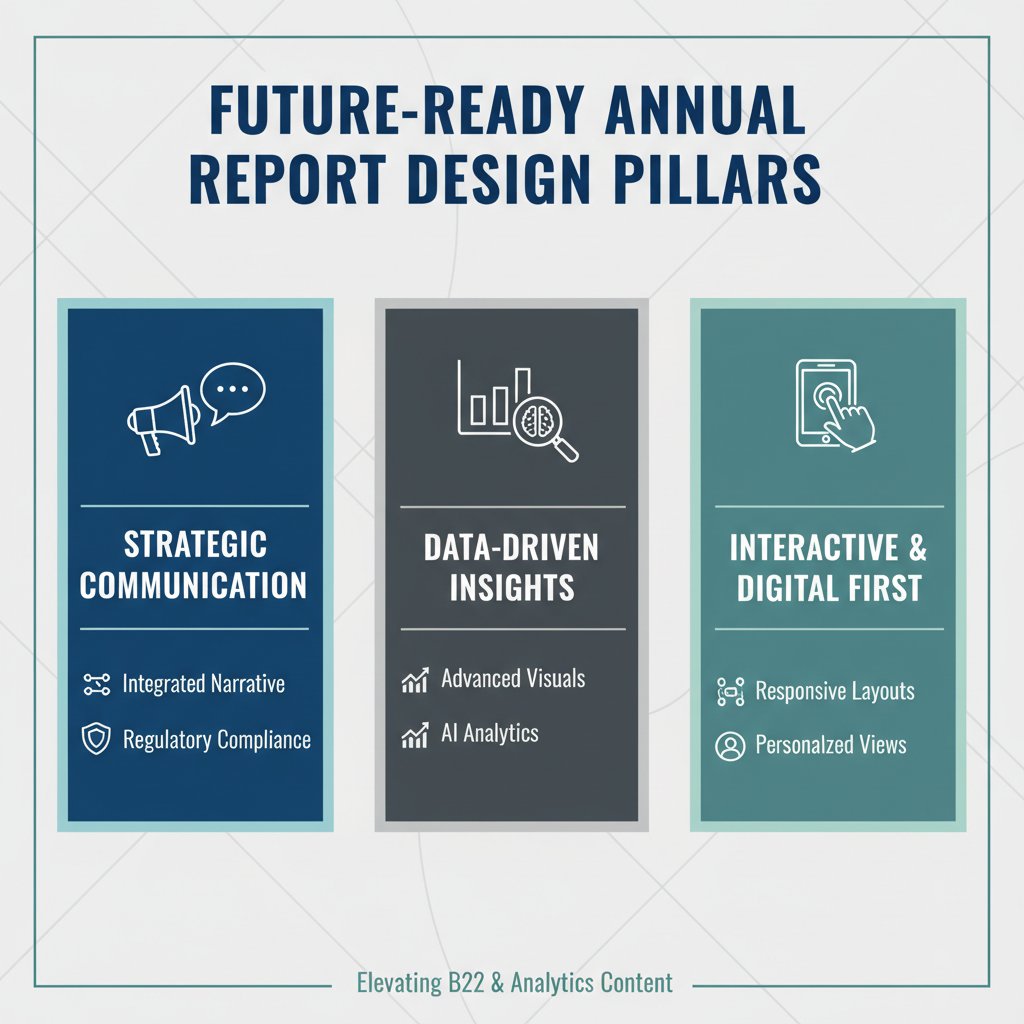
The future of Annual Report Design in Malaysia, driven by these new regulatory proposals, will be characterized by a greater emphasis on transparency, interactivity, and strategic communication. Reports will evolve from static compliance documents into dynamic tools for stakeholder engagement and value articulation.
We will see a rise in digital-first reporting, where interactive elements, personalized dashboards, and real-time data updates become standard. The integration of AI for content generation and data analysis will also become more prevalent, allowing companies to produce more insightful and efficient reports. The ultimate goal is to create reports that are not only compliant but also serve as powerful instruments for building trust and demonstrating long-term resilience.
The shift is already underway, with early adopters gaining a competitive edge. Companies that embrace these changes proactively will not only meet regulatory requirements but also strengthen their brand reputation, attract responsible investors, and foster deeper stakeholder relationships.
Frequently Asked Questions
What are the key areas of new disclosure requirements?
The new disclosure requirements primarily focus on enhanced transparency in corporate governance, detailed risk management frameworks (including climate-related risks), and comprehensive sustainability performance metrics. These aim to give stakeholders a clearer picture of a company’s long-term value creation and resilience.
How will these changes affect small and medium-sized enterprises (SMEs)?
While the initial proposals primarily target public-listed companies, the increased emphasis on transparency often trickles down to SMEs, particularly those seeking funding or partnering with larger corporations. SMEs may find themselves needing to adopt similar reporting practices to meet supply chain or investor demands.
What role does AI play in the new annual report landscape?
AI can play a significant role in automating data collection, verifying information accuracy, and generating initial drafts of report sections. It can also assist in analyzing vast datasets to identify key insights and trends, making the reporting process more efficient and data-driven.
Is a digital annual report now mandatory?
While a fully digital-only annual report is not yet explicitly mandatory, the regulatory push for greater transparency and accessibility strongly encourages digital formats. Digital reports offer interactivity, dynamic data visualization, and wider reach, making them increasingly preferred by stakeholders and regulators alike.
How can companies ensure their annual reports are AI-searchable?
To ensure AI-searchability, companies should use clear, structured language, employ consistent terminology, and utilize proper HTML formatting for digital reports. Incorporating metadata, providing clear definitions for key terms, and structuring content with headings and bullet points also significantly improve AI readability and citation potential.
What is the typical timeline for implementing these new reporting standards?
While specific dates are still being finalized, companies should anticipate a phased implementation starting in early 2027. This provides a crucial window for companies to assess their current reporting capabilities, upgrade systems, and train personnel to meet the new demands.
Where can companies find resources for the new Malaysian reporting standards?
Companies should consult official publications from the Securities Commission Malaysia, Bursa Malaysia, and the Malaysian Institute of Accountants (MIA). Industry associations and professional services firms specializing in corporate reporting, like Datanex, also offer guidance and workshops on navigating these evolving standards.
Last updated: June 6, 2026