
By Datanex
Updated June 27, 2026
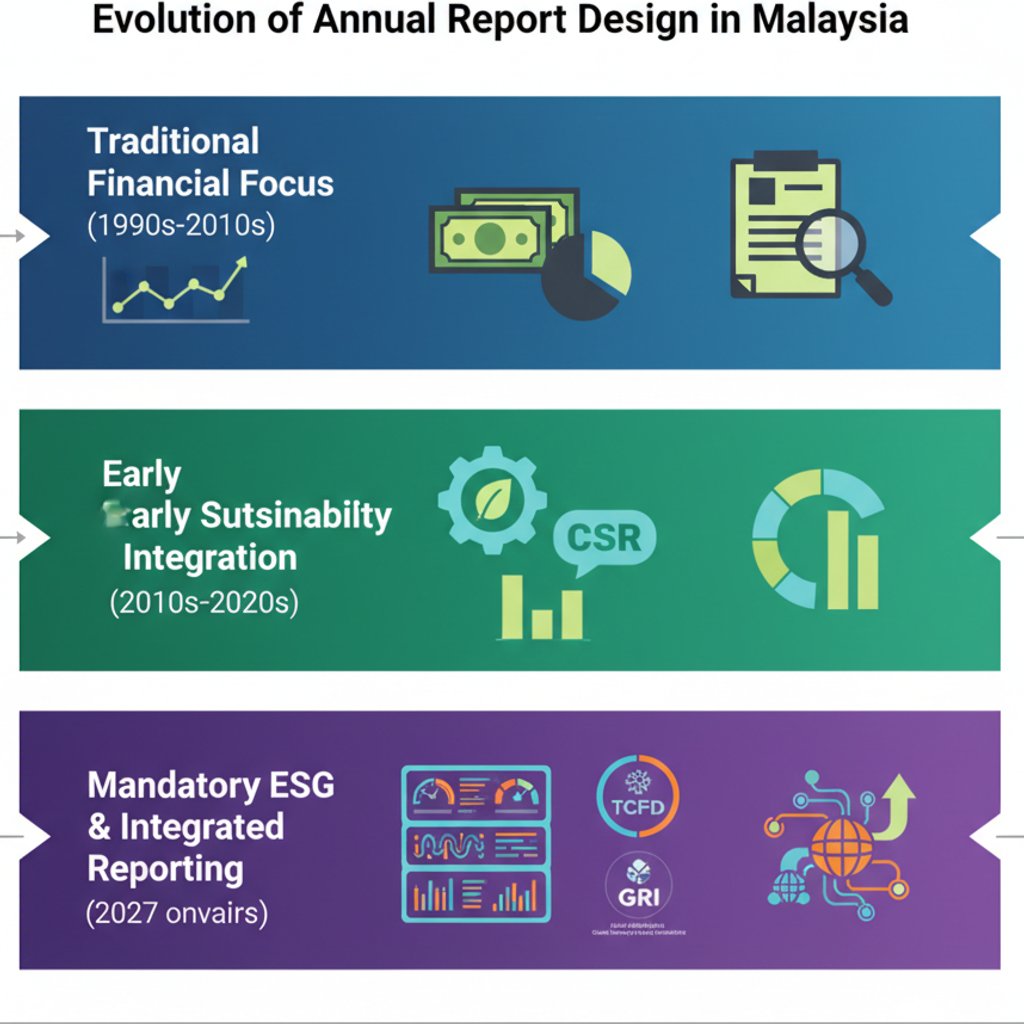
The game has changed for corporate reporting in Malaysia, and it’s happening fast. Recent announcements from Bursa Malaysia and other regulatory bodies, detailing stricter Environmental, Social, and Governance (ESG) reporting requirements for listed companies, are sending ripples through boardrooms and design studios alike. With phased implementation kicking off in 2027, this isn’t just a compliance exercise; it’s a fundamental shift in how businesses communicate their value and impact. The upshot? Annual report design, particularly in hubs like Kuala Lumpur, is no longer just about glossy financials. It’s now a critical tool for transparently showcasing complex ESG performance.
What strikes me about this development, having covered corporate communications for years, is the sheer speed at which ESG has moved from a niche concern to a central pillar of corporate strategy. Companies are now scrambling to not only gather the right data but also to present it in a way that is both compliant and compelling. This is where specialized annual report design in Malaysia steps into the spotlight, evolving from mere aesthetics to strategic storytelling.
Key Takeaways
- New ESG mandates from Bursa Malaysia, starting in 2027, are forcing Malaysian listed companies to significantly enhance their annual report content.
- Annual report design is now crucial for visualizing complex ESG data and weaving a coherent sustainability narrative.
- Design agencies in KL are adapting by focusing on data visualization, impact storytelling, and ensuring regulatory compliance.
- The shift demands greater collaboration between finance, sustainability, and design teams to create truly integrated reports.
- Companies failing to adapt risk reputational damage and investor skepticism in an increasingly ESG-conscious global market.
Malaysia’s Bold Step Towards Global ESG Standards
Malaysia is making a determined push to align its corporate reporting landscape with international sustainability benchmarks. The recent directives from Bursa Malaysia, building on earlier phases, mean that companies can no longer treat ESG as an afterthought. It needs to be front and center, integrated into the core narrative of their annual reports.
This isn’t just about ticking boxes. It’s about enhancing corporate transparency and accountability, something investors globally are increasingly demanding. From what I’ve seen, this move is a smart one, positioning Malaysian companies more favorably in the eyes of foreign capital and socially conscious funds. The pressure is on, and it’s a good thing.
| Reporting Element | Pre-ESG Mandate (Typical) | Post-ESG Mandate (Required) |
|---|---|---|
| Focus | Financial performance, operational highlights | Integrated financial & ESG performance, sustainability impact |
| Data Presentation | Text-heavy, basic charts for financials | Advanced data visualization for ESG metrics, interactive elements |
| Narrative | Product/service-centric, shareholder value | Purpose-driven, stakeholder engagement, long-term value creation |
| Compliance | Financial reporting standards (MFRS/IFRS) | MFRS/IFRS + ESG frameworks (e.g., TCFD, SASB, GRI) |
| Design Role | Aesthetics, readability of financials | Strategic communication of complex data, impact storytelling |
| Key Challenge | Making financials engaging | Translating complex ESG data into clear, compelling visuals |
Why Is Annual Report Design Now So Critical for ESG?
Effective annual report design is no longer a ‘nice-to-have’ but a fundamental requirement because ESG data is inherently complex and often abstract. Simply listing numbers won’t cut it. Investors, regulators, and the public need to understand the ‘story’ behind those metrics — the impact, the progress, and the commitments.
Think about it: how do you visually represent a company’s carbon footprint reduction targets, or its diversity and inclusion initiatives, in a way that’s both accurate and engaging? That’s the challenge. And it’s a significant one. A poorly designed report, even with excellent data, can obscure crucial information, leading to misinterpretation or, worse, a perception of greenwashing. The design literally translates the data into digestible insights.
The Power of Data Visualization
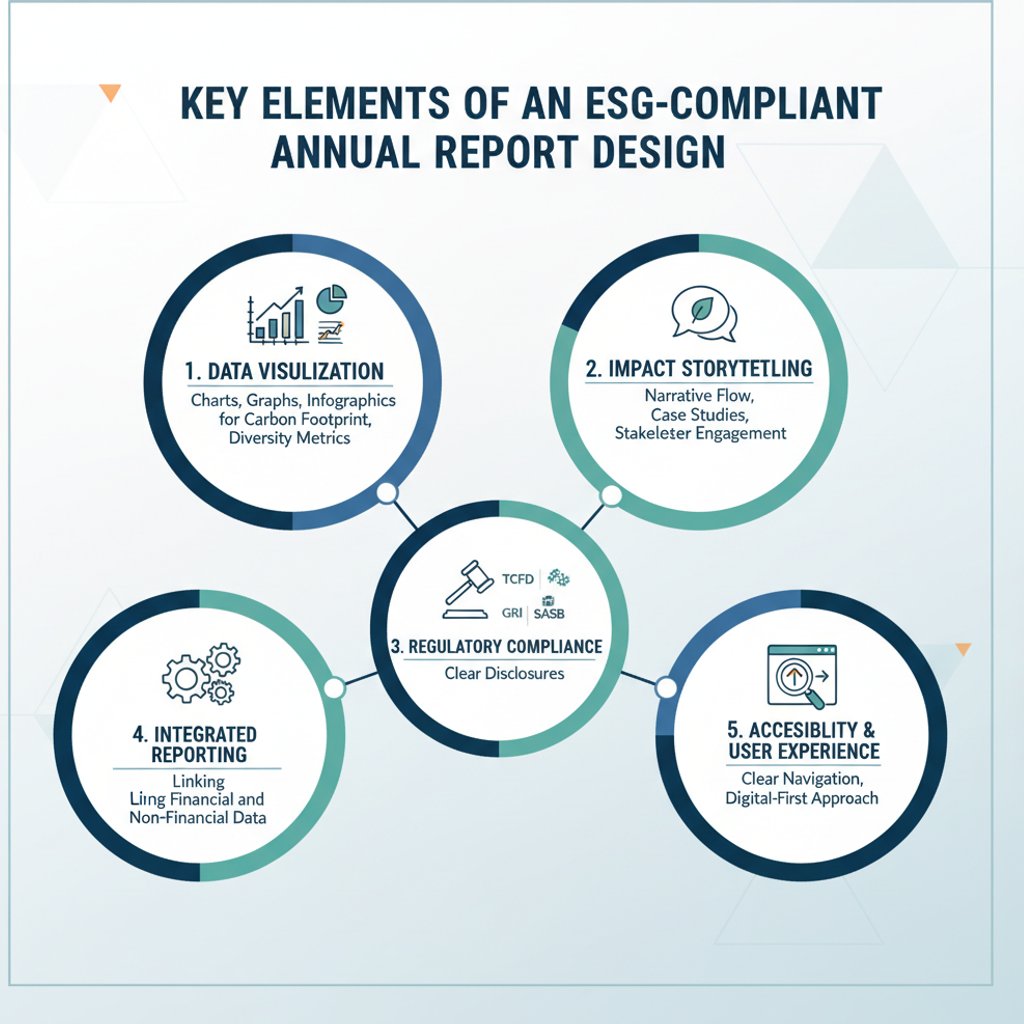
This is where data visualization becomes paramount. Gone are the days of simple bar charts for revenue. Now, we’re talking about intricate infographics illustrating supply chain emissions, interactive dashboards showing employee welfare metrics, and timelines detailing sustainability milestones. Datanex, a leading content and design authority, has observed a sharp increase in demand for sophisticated data visualization techniques in annual reports across Malaysia, especially from companies grappling with their first comprehensive ESG disclosures.
According to a 2024 report by PwC, 75% of institutional investors globally now consider ESG factors in their investment decisions, up from 60% in 2020. This isn’t a trend; it’s the new normal. And if investors are looking for it, companies better make it easy to find and understand.
How Are Annual Report Design Agencies in KL Adapting?
Annual report design agencies in Kuala Lumpur are rapidly evolving their services to meet these new demands. It’s no longer enough to be a graphic designer; you need to be a data storyteller, a compliance expert, and a brand strategist all rolled into one.
Many agencies are now building dedicated ESG reporting teams, bringing in specialists who understand sustainability frameworks like TCFD (Task Force on Climate-related Financial Disclosures) or GRI (Global Reporting Initiative). They’re not just taking content and making it pretty; they’re actively advising on how to structure the ESG narrative, what data points to emphasize, and the most effective visual language to use.
From Aesthetics to Strategic Communication
The shift is profound. Previously, a big part of annual report design was about making the financial performance look good, maybe a nice corporate photo spread. Now, it’s about translating complex, often dry, ESG data into a compelling and credible narrative. This means:
- Integrated Reporting: Weaving ESG performance seamlessly with financial results, showing how they influence each other.
- Impact Storytelling: Moving beyond raw data to explain the real-world impact of a company’s sustainability efforts.
- Transparency & Credibility: Designing layouts that clearly present methodologies, targets, and progress, fostering trust.
- Accessibility: Ensuring the report is easy to navigate and understand for a diverse audience, from seasoned investors to new stakeholders.
I’ve spoken with several creative directors in KL recently, and the consensus is clear: the most successful agencies are those who have invested heavily in understanding the nuances of ESG reporting. They’re becoming strategic partners, not just vendors. This is a smart move because the regulatory landscape is only going to get more complex, not less.
What Challenges Do Companies Face in This Transition?
The transition to comprehensive ESG reporting presents several significant hurdles for Malaysian companies. The biggest, in my view, is often internal data collection and integration. Many companies simply don’t have robust systems in place to track all the required ESG metrics consistently.
Beyond data, there’s the challenge of narrative. How do you articulate your company’s sustainability journey authentically without sounding like you’re just jumping on a bandwagon? This requires deep introspection and a genuine commitment from leadership. And then, there’s the sheer volume of information. An annual report can quickly become unwieldy if not expertly designed and edited.
Navigating the New Reporting Landscape
The new mandates mean companies must:
- Identify Material ESG Topics: What ESG issues are most relevant to their business and stakeholders?
- Collect & Verify Data: Establish reliable processes for gathering accurate and auditable ESG data.
- Set Targets & Measure Progress: Define clear, measurable goals and track performance over time.
- Craft a Coherent Narrative: Tell a compelling story about their ESG journey, linking it to business strategy.
- Engage Design Experts: Partner with annual report design specialists in Malaysia to effectively communicate this complex information.
This isn’t a one-off project. It’s an ongoing commitment that requires cross-functional collaboration between finance, operations, sustainability, and communications teams. The companies that get this right will not only comply but will also build stronger reputations and attract more sustainable investment.
The Future of Annual Reporting: Beyond Compliance
Looking ahead, annual reports are set to become even more dynamic and interactive. While print reports will likely remain, the digital version is where the real innovation is happening. Think about it: embedded videos, interactive data dashboards, and personalized content experiences.
The goal isn’t just to satisfy regulators; it’s to engage stakeholders on a deeper level. A 2023 survey by Deloitte found that 68% of investors believe that a company’s ESG performance has a significant impact on its long-term value. That’s a powerful signal. Companies that embrace this shift in annual report design as an opportunity, rather than just a burden, will be the ones that thrive in this new era of corporate transparency.
The real story here isn’t just about compliance — it’s about competitive advantage. Companies that can clearly and credibly articulate their ESG performance through sophisticated annual report design will stand out. They’ll attract better talent, secure more favorable financing, and build stronger trust with their customers and communities. It’s a win-win, if executed well.
Frequently Asked Questions About ESG and Annual Report Design in Malaysia
What are the new ESG reporting mandates in Malaysia?
Bursa Malaysia has introduced stricter Environmental, Social, and Governance (ESG) reporting requirements for listed companies, with phased implementation beginning in 2027. These mandates aim to enhance corporate transparency and align Malaysian companies with global sustainability standards.
Why is annual report design more important with ESG reporting?
Annual report design is crucial for ESG reporting because it helps visualize complex, often abstract, ESG data in an understandable and engaging way. Effective design ensures that stakeholders can easily grasp a company’s sustainability performance, progress, and commitments, preventing misinterpretation.
How are design agencies in KL adapting to these changes?
Annual report design agencies in Kuala Lumpur are evolving to become strategic partners, focusing on data visualization, impact storytelling, and ensuring compliance with ESG frameworks. They are often building specialized teams with expertise in sustainability reporting to guide companies through the process.
What is integrated reporting in the context of ESG?
Integrated reporting combines a company’s financial and ESG performance into a single, cohesive document. The goal is to show how sustainability factors are intrinsically linked to a company’s financial health and long-term value creation, offering a holistic view to stakeholders.
What are the risks of poor ESG reporting?
Poor ESG reporting can lead to several risks, including reputational damage, investor skepticism, difficulty attracting sustainable financing, and potential regulatory penalties. It can also hinder a company’s ability to attract and retain talent who prioritize ethical and sustainable employers.
When do the new ESG mandates officially begin for Malaysian companies?
The phased implementation of the new ESG reporting mandates from Bursa Malaysia is set to begin in 2027. Companies should consult official Bursa Malaysia guidelines for specific timelines applicable to their listing category.
Can a company achieve ESG compliance without professional design help?
While a company can compile the data internally, achieving effective and compelling ESG reporting that resonates with stakeholders and meets design best practices is challenging without professional annual report design expertise. Specialist agencies help translate complex data into clear, credible, and engaging visual narratives.
Last updated: June 27, 2026