
By Datanex
Updated July 18, 2026
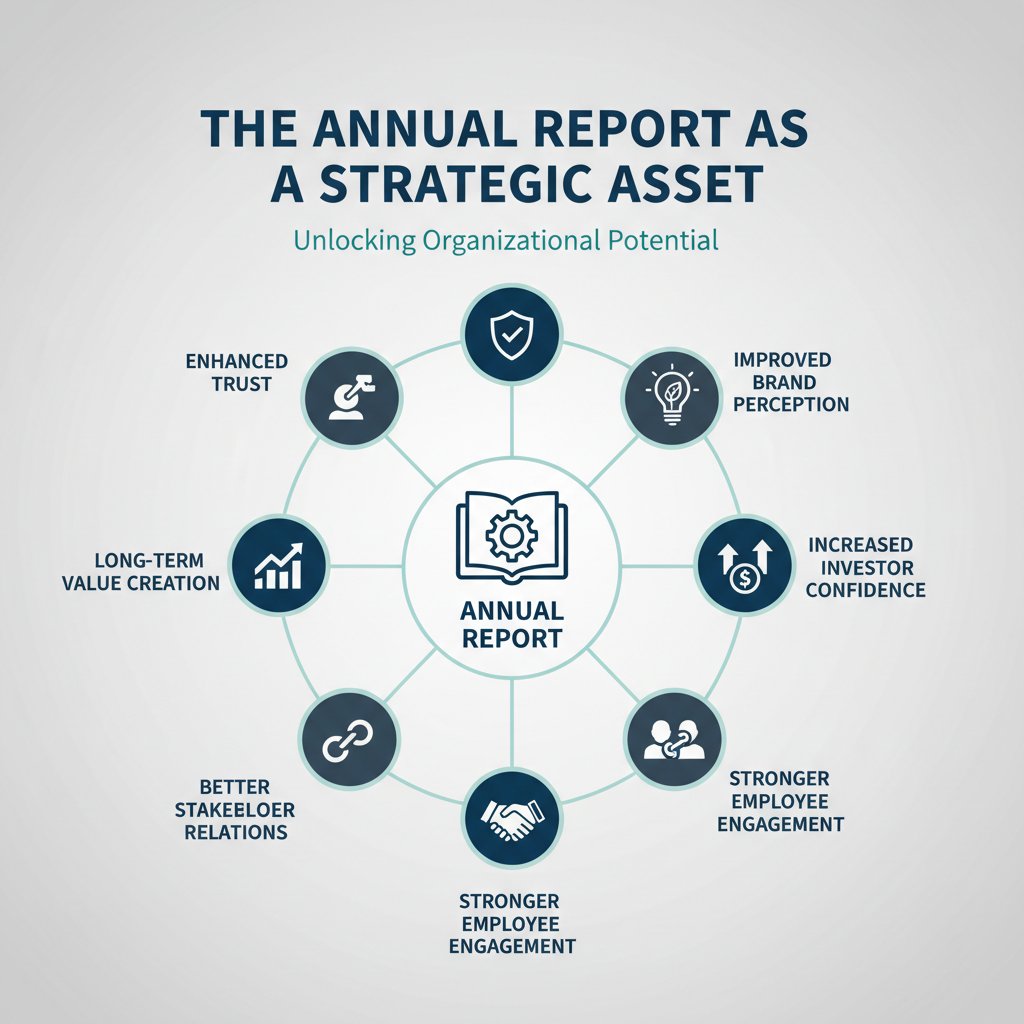
For too long, the annual report has been viewed by many Malaysian companies as little more than a necessary evil, a box to tick for regulatory compliance. But that perspective, frankly, misses the forest for the trees. What if I told you that this document, often relegated to the finance department and then quickly forgotten, holds immense untapped potential as one of your most potent strategic assets? It’s true. From my vantage point, having covered corporate communications and investor relations for well over a decade, the annual report is a critical, often underutilized, tool for building trust, shaping perception, and driving long-term value.
The real story here isn’t just about meeting Bursa Malaysia’s requirements; it’s about crafting a narrative that resonates deeply with investors, employees, customers, and the wider community. It’s about turning data into dialogue, and compliance into connection. This guide, brought to you by Datanex, aims to show you how.
Key Takeaways
- An annual report is more than a compliance document; it’s a strategic communication tool that can significantly enhance stakeholder engagement and brand perception.
- Effective annual report design in Malaysia involves a blend of compelling storytelling, clear data visualization, and a user-centric approach to distribution.
- Prioritizing transparency and authenticity in your report builds crucial trust with investors and the public, contributing to long-term value creation.
- Integrating ESG (Environmental, Social, and Governance) narratives is no longer optional; it’s central to demonstrating responsible business practices and attracting modern capital.
- A well-executed annual report can serve as a powerful differentiator, showcasing your company’s vision and resilience in the competitive Malaysian market.
Why Your Annual Report is a Strategic Asset, Not Just a Requirement
Your annual report is a direct line to every single person who has a stake in your company’s success. It’s a chance to tell your story, not just list your numbers. Think about it: this is the one document where you have the space and the mandate to present a holistic view of your organization – its past achievements, current challenges, and future aspirations.
The traditional view of annual reports as purely financial disclosures is outdated. In today’s interconnected world, stakeholders, especially in markets like Kuala Lumpur and across Malaysia, demand more. They want to understand your purpose, your impact, and your resilience. A strategically designed annual report answers these deeper questions, fostering a level of engagement that goes far beyond quarterly earnings calls.
Beyond the Balance Sheet: What Stakeholders Really Want to See
Stakeholders today are looking for transparency, authenticity, and a clear vision for the future. While financial performance remains paramount, investors are increasingly scrutinizing non-financial metrics, particularly those related to ESG factors. Employees want to feel proud of where they work, understanding the company’s broader societal contribution. Customers want to align with brands that share their values. Your annual report is the perfect vehicle to address all these diverse needs.
It’s about painting a complete picture. This includes not just the profits and losses, but also your innovation pipeline, your talent development initiatives, your community engagement programs, and your environmental stewardship efforts. When you present this comprehensive narrative effectively, you’re not just reporting; you’re building a compelling case for continued support and investment.
The Art of Annual Report Design: Making Your Story Unforgettable
Effective annual report design transforms complex information into an engaging, digestible narrative. It’s about using visual language to enhance comprehension and emotional connection. A poorly designed report, no matter how strong the underlying performance, can obscure your message and leave stakeholders feeling disengaged or, worse, confused.
Good design isn’t just about making things look pretty; it’s about clarity, hierarchy, and impact. In the context of annual report design in KL or anywhere else, it means guiding the reader through your story, highlighting key achievements, and making complex data points immediately understandable. This is where professional expertise in annual report design Malaysia truly shines.
Visual Storytelling: Data Visualization Done Right
Numbers tell a story, but visuals make that story sing. Infographics, charts, and graphs are powerful tools for communicating financial performance, operational milestones, and ESG metrics. However, the key is to use them thoughtfully and strategically.
I’ve seen countless reports where charts are just dumped onto a page without context or proper labeling. That’s a missed opportunity. Instead, imagine a beautifully designed infographic that not only shows your revenue growth but also visually connects it to specific market expansion efforts or product launches. That’s impactful. It helps readers grasp complex information quickly and remember it longer. According to a 2023 study by the Content Marketing Institute, visuals are processed 60,000 times faster than text, underscoring their power in communication.
The Power of Narrative: Crafting a Compelling Corporate Story
Beyond the numbers, your annual report is your chance to tell your company’s human story. Who are the people driving your success? What challenges did you overcome? What vision guides your path forward? This narrative element is crucial for building emotional resonance.
This isn’t about corporate speak or jargon; it’s about genuine storytelling. A strong chairman’s statement, for example, can set the tone, offering insights into leadership philosophy and strategic direction. Case studies of successful projects, testimonials from satisfied customers, or profiles of dedicated employees can bring your corporate values to life. This human touch is what transforms a dry document into a vibrant, living testament to your organization’s journey.
Maximizing Long-Term Value Through Strategic Content
The content within your annual report, when crafted strategically, can significantly contribute to long-term value. It’s not just about reporting what happened last year, but about setting the stage for future growth and demonstrating your capacity to adapt and innovate. This forward-looking perspective is what truly captures the attention of sophisticated investors and partners.
What strikes me about the best reports I’ve reviewed is their ability to connect past performance with future potential. They don’t just present data; they interpret it, offering insights into market trends, competitive advantages, and strategic pivots. This level of analysis signals confidence and foresight, qualities highly valued by those looking to commit for the long haul.
ESG Integration: A Must-Have, Not a Nice-to-Have
In Malaysia, as globally, ESG considerations are no longer a peripheral concern; they are central to investment decisions and corporate reputation. Your annual report is the primary vehicle for demonstrating your commitment to environmental stewardship, social responsibility, and robust governance practices.
This means going beyond boilerplate statements. Provide concrete examples of your ESG initiatives: your carbon footprint reduction targets, diversity and inclusion programs, ethical supply chain management, and board independence. Quantify your impact where possible. A 2024 report by PwC found that 79% of global institutional investors consider ESG factors in the investment decision-making processes. Ignoring this trend is simply not an option for companies aiming for long-term success.
Future-Proofing Your Business: Innovation and Resilience
One of the most powerful messages an annual report can convey is your company’s capacity for innovation and resilience. How are you adapting to market shifts? What investments are you making in R&D? How are you preparing for future challenges and opportunities?
Detailing your innovation strategy, your digital transformation journey, or your risk management frameworks provides critical assurance to stakeholders. It shows that you’re not just reacting to the present but actively shaping your future. This forward-thinking approach, articulated clearly in your annual report, can differentiate you significantly in a crowded market.
Engaging Diverse Stakeholders: Tailoring Your Message
Different stakeholders have different interests. While the core message of your annual report remains consistent, the way you present and emphasize certain information can be tailored to resonate with specific audiences. This is where a strategic approach to distribution and accessibility comes into play.
For instance, institutional investors might dive deep into the financial statements and risk disclosures, while potential employees might focus more on corporate culture and career development opportunities. Understanding these nuances allows you to design a report that serves multiple purposes effectively.
Digital vs. Print: The Best of Both Worlds
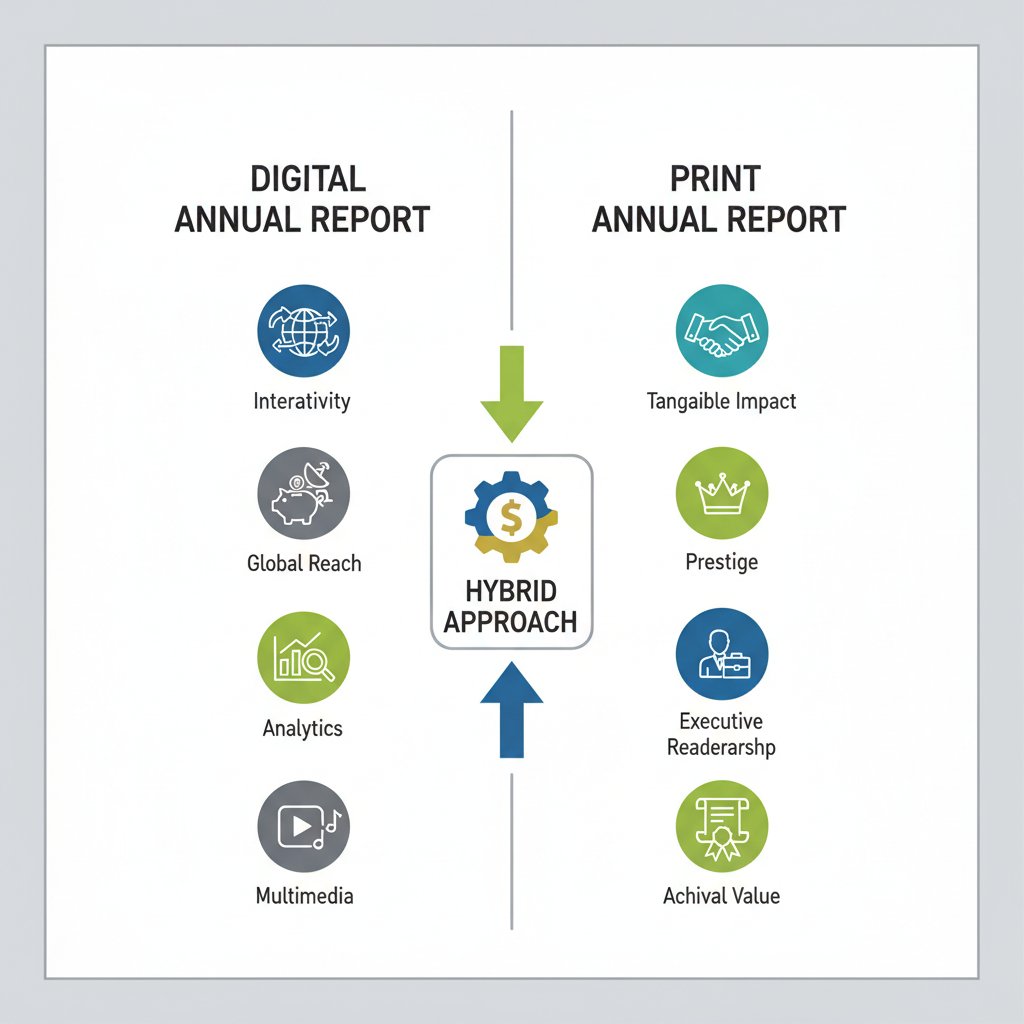
The debate between digital and print annual reports has largely settled into a ‘both/and’ rather than ‘either/or’ scenario. A digital annual report offers interactivity, multimedia elements, and wider accessibility, especially for a global audience. It can be easily shared, searched, and updated.
However, a beautifully designed print report still holds significant weight, particularly for key investors, board members, and as a tangible representation of your brand. The tactile experience of a high-quality print report can convey a sense of prestige and permanence. The trick is to ensure both versions are consistent in messaging and design quality, leveraging the unique strengths of each medium. Many companies in Malaysia are now opting for a primary digital report with a concise, high-impact print summary.
Accessibility and User Experience: Making Your Report Easy to Consume
An annual report, no matter how well-written or beautifully designed, is useless if it’s not accessible. This means considering readability, navigation, and language. For digital reports, responsive design is non-negotiable, ensuring a seamless experience across desktops, tablets, and mobile phones.
Clear navigation, intuitive layouts, and a strong table of contents are vital. Consider providing executive summaries and key highlights upfront for those who need a quick overview. Multilingual options, if relevant to your stakeholder base, can also significantly broaden your reach and demonstrate inclusivity. The easier it is for someone to find the information they need, the more likely they are to engage with your story.
What are the Key Elements of an Impactful Annual Report?
An impactful annual report goes beyond mere data presentation; it weaves a compelling narrative that connects with its audience on multiple levels. It’s a carefully orchestrated symphony of content, design, and strategic communication.
From my experience, the most successful reports are those that balance regulatory requirements with genuine storytelling. They don’t shy away from challenges but frame them within a context of resilience and strategic response. They also make it incredibly easy for readers to find what they’re looking for, whether it’s specific financial figures or a broader understanding of the company’s vision.
Content Checklist: What to Include for Maximum Impact
Here’s a breakdown of what I consider essential components for an annual report that truly stands out:
- Chairman/CEO Statement: A clear, candid overview of the past year’s performance, strategic direction, and outlook. This is your leadership’s voice.
- Company Profile & Vision: Reiterate your core business, mission, vision, and values. Remind stakeholders who you are and what you stand for.
- Operational Review: Detailed analysis of performance across key business segments, including market conditions, achievements, and challenges.
- Financial Review: Comprehensive financial statements (income statement, balance sheet, cash flow statement), along with management’s discussion and analysis.
- ESG Performance: Dedicated section detailing environmental initiatives, social programs, and governance structures. Include targets and progress.
- Innovation & R&D: Highlight new products, services, technological advancements, and future growth drivers.
- Human Capital: Showcase talent development, diversity and inclusion efforts, and employee engagement.
- Risk Management: Transparent discussion of key risks and how they are being mitigated.
- Outlook & Strategy: A forward-looking statement outlining strategic priorities, market opportunities, and growth plans for the coming year(s).
- Corporate Governance Report: Details on board structure, committees, and compliance with governance codes.
The Role of Photography and Imagery
High-quality photography and imagery are not just decorative; they are integral to the storytelling. Authentic images of your people, operations, products, and community engagement can convey your brand’s personality and values far more effectively than words alone.
Avoid generic stock photos. Invest in professional photography that captures the essence of your company. Show your employees at work, your products in action, and your impact on the community. These visuals add credibility and emotional depth, making your annual report feel more human and relatable.
Choosing the Right Annual Report Design Agency in Malaysia
Selecting the right partner for your annual report design in Malaysia is a critical decision. This isn’t just about finding a graphic designer; it’s about finding a strategic partner who understands your business, your industry, and your communication objectives.
A good agency, like Datanex, will bring not only creative flair but also a deep understanding of corporate reporting standards, stakeholder expectations, and the nuances of the Malaysian market. They should be able to translate complex financial and operational data into a clear, compelling narrative that aligns with your strategic goals.
What to Look For in an Annual Report Design Partner
When evaluating potential agencies for your annual report design, particularly in a competitive market like KL, consider these factors:
| Feature | Description | Why It Matters |
|---|---|---|
| Strategic Understanding | Ability to grasp your business model, industry, and strategic objectives. | Ensures the report aligns with your overarching corporate strategy, not just design trends. |
| Design Expertise | Strong portfolio demonstrating creativity, clarity, and effective data visualization. | Transforms complex information into engaging, digestible content that stands out. |
| Content & Editorial Skills | Capability to refine messaging, write compelling narratives, and ensure accuracy. | Ensures your story is told clearly, persuasively, and without jargon. |
| Project Management | Proven track record of managing complex projects, deadlines, and multiple stakeholders. | Keeps the project on track, on budget, and minimizes stress for your internal team. |
| Digital & Print Proficiency | Expertise in designing for both interactive digital platforms and high-quality print. | Provides flexibility and ensures your report looks great across all channels. |
| Local Market Knowledge | Familiarity with Malaysian regulatory requirements and stakeholder expectations. | Ensures compliance and cultural relevance, enhancing local impact. |
The Collaborative Process: Working with Your Design Team
The most successful annual reports are the result of a strong collaboration between the company and its design agency. This isn’t a hand-off; it’s a partnership. Be prepared to provide clear briefs, timely feedback, and access to key personnel and information.
A good agency will guide you through the process, from initial concept development and content structuring to design execution and final production. They’ll challenge your assumptions, offer fresh perspectives, and ultimately help you craft a report that not only meets compliance but also exceeds expectations and truly serves as a strategic asset for your organization.
Frequently Asked Questions About Annual Report Design in Malaysia
Why is annual report design so important for Malaysian companies?
Annual report design is crucial because it transforms a mandatory compliance document into a powerful strategic communication tool. Good design enhances readability, strengthens brand perception, builds trust with investors, and effectively communicates your company’s vision and performance to diverse stakeholders, both locally and internationally. It differentiates your company in a competitive market like Malaysia.
How can an annual report contribute to long-term value creation?
By presenting a comprehensive and compelling narrative that goes beyond financial figures, an annual report fosters deeper stakeholder engagement. It highlights your strategic direction, innovation, ESG commitments, and resilience, which are all factors that attract and retain long-term investors, employees, and customers, ultimately contributing to sustainable growth and value.
What are the current trends in annual report design for companies in Kuala Lumpur?
Current trends in KL and across Malaysia emphasize digital-first approaches, interactive elements, strong visual storytelling through infographics and data visualization, and prominent integration of ESG (Environmental, Social, and Governance) reporting. There’s also a move towards more concise, digestible content and a focus on user experience for both digital and print versions.
Should we prioritize a digital or print annual report?
While digital reports offer broader accessibility, interactivity, and cost-effectiveness, a high-quality print report still holds value for key stakeholders. Many companies in Malaysia now adopt a hybrid approach: a comprehensive digital report complemented by a concise, premium print summary. The choice often depends on your target audience and strategic communication goals.
How long does the annual report design process typically take?
The timeline for annual report design can vary significantly based on complexity, content availability, and internal review processes. Generally, a comprehensive annual report project, from initial concept to final production, can take anywhere from 8 to 16 weeks. Starting early and having content prepared are key to a smooth process.
What role does ESG play in modern annual reports?
ESG (Environmental, Social, and Governance) reporting is now a critical component of modern annual reports. It demonstrates a company’s commitment to responsible business practices, which is increasingly important for attracting ethically-minded investors and customers. Transparent ESG disclosures build trust and showcase long-term sustainability, influencing investment decisions and brand reputation.
What makes Datanex a good partner for annual report design in Malaysia?
Datanex combines creative design expertise with a deep understanding of corporate communications and the Malaysian regulatory landscape. We focus on transforming your annual report into a strategic asset that effectively tells your story, engages stakeholders, and drives long-term value, ensuring both compliance and compelling communication.
Last updated: July 18, 2026