
Ever wondered why some company profiles just *click*? Why they don’t just inform, but genuinely persuade, leaving a lasting impression that drives action? It’s not just about pretty pictures or well-written text. It’s about psychology. And in a vibrant, multicultural market like Malaysia, understanding the subtle yet powerful psychological levers at play is absolutely critical for any company profile design to truly succeed.
As a veteran journalist who has watched countless businesses rise and fall in this dynamic region, I can tell you this much: the most effective company profiles, especially here in Kuala Lumpur and across Malaysia, don’t just state facts. They tap into cognitive biases, emotional triggers, and deep-seated cultural values. They understand the ‘why’ behind human decisions, not just the ‘what’. This guide isn’t about the latest design software or trendy fonts; it’s about the timeless principles of human persuasion, specifically tailored for the Malaysian context, to help your company profile design cut through the noise and achieve its objectives.
By Datanex
Updated July 26, 2026
Key Takeaways
- Effective company profiles in Malaysia leverage psychological principles like cognitive biases and emotional triggers to build trust and drive action.
- Cultural nuances, such as the emphasis on relationships, ‘saving face,’ and respect for hierarchy, are paramount in Malaysian business communication.
- Visuals and storytelling are powerful tools for emotional connection and conveying authenticity in a diverse market.
- A well-designed company profile acts as a strategic asset, influencing perception for investors, partners, and clients.
- Digital-first approaches and mobile optimization are crucial, as Malaysians are highly connected and engage extensively on social platforms.
Why Does Psychology Matter in Company Profile Design?
Psychology matters because people don’t make purely rational decisions; our choices are heavily influenced by unconscious biases, emotions, and ingrained mental shortcuts. Your company profile, whether it’s a sleek PDF for investors or a web page for potential clients in KL, is a carefully constructed narrative designed to influence perception and behavior. Understanding how the human mind processes information, forms judgments, and makes decisions allows you to craft a profile that isn’t just seen, but felt and acted upon. It’s the difference between a document that gets skimmed and one that compels a call to action.
From what I’ve seen over the years, many businesses focus too much on simply listing their achievements and services. And while that’s necessary, it’s rarely sufficient. The real story here isn’t just about what you offer — it’s about how you make your audience *feel* about what you offer. It’s about building trust, establishing credibility, and creating an emotional connection long before any formal engagement begins. This is where the psychological impact of company profile design comes into play.
The Unseen Hand: Cognitive Biases at Play
Cognitive biases are systematic patterns of deviation from rational judgment, essentially mental shortcuts our brains take to process information more efficiently. For company profile design, especially in a market like Malaysia, leveraging these biases ethically can significantly boost your persuasive power.
- Anchoring Bias: This bias suggests that people rely too heavily on the first piece of information they encounter. In your company profile, this means your opening statement, your ‘About Us’ section, or even the initial visual impression can set the tone for everything that follows. Make it strong, make it memorable, and make it positive.
- Social Proof: Humans are inherently social creatures, and we often look to others for cues on how to behave or what to believe. Including testimonials, client logos, awards, or case studies in your company profile provides powerful social proof. If others trust you, new prospects are more likely to do so as well. This is particularly potent in relationship-driven cultures like Malaysia.
- Authority Bias: We tend to give more weight to the opinions and recommendations of perceived authorities or experts. Highlighting industry certifications, partnerships with reputable organizations, or the credentials of your leadership team can activate this bias, lending significant credibility to your claims.
- Scarcity Principle: The perception of scarcity generates demand. While less direct for a company profile, subtly implying exclusivity or limited availability for certain services or partnerships can create a sense of urgency and value.
These aren’t tricks; they’re fundamental aspects of human decision-making. The goal isn’t manipulation, but rather to communicate your value in a way that aligns with how people naturally process information and form judgments.
The Heart of the Matter: Emotional Intelligence in Design
Emotional intelligence in design means understanding and intentionally evoking specific emotions through your company profile to forge a deeper connection with your audience. Emotions are powerful catalysts for behavior, and in Malaysia, where relationships and harmony are highly valued, tapping into the right emotional triggers can make all the difference.
A purely factual profile might inform, but an emotionally intelligent one will inspire, reassure, or excite. Think about the feeling you want to leave your reader with: confidence, security, innovation, community? Every design choice, from color palette to imagery, contributes to this emotional landscape. For instance, positive emotions like happiness or warmth can foster positive brand attitudes and increase purchase likelihood.
Crafting Connection: Emotional Triggers for Malaysian Audiences
Malaysian audiences, with their rich cultural tapestry, often respond to specific emotional cues. Here’s how to integrate them:
- Trust and Reliability: This is paramount. In a culture where business relationships are built on familiarity and trust, your profile must exude trustworthiness. Use clear, honest language, showcase long-term client relationships, and emphasize transparency. Visuals that convey stability and professionalism, rather than flashiness, often resonate more deeply.
- Community and Belonging: Malaysia is a diverse, group-oriented society. Highlighting your company’s contribution to the local community, its commitment to social responsibility, or its role in fostering local talent can evoke a strong sense of belonging and positive sentiment. Case studies that show collaborative success or positive societal impact are particularly effective.
- Aspiration and Progress: Malaysians, particularly in urban centers like KL, are forward-looking. They value progress and innovation. Showcase your vision for the future, your commitment to growth, and how your services contribute to the advancement of your clients or the industry.
- Harmony and Respect: These are core values in Malaysian business culture. Your profile should reflect a respectful tone, avoid aggressive or overly assertive language, and demonstrate an full understanding of local customs and sensitivities.

Cultural Nuances: The Malaysian Context is Key
You simply cannot design an effective company profile in Malaysia without deeply understanding its unique cultural landscape. This isn’t a one-size-fits-all market. Malaysia is a melting pot of Malay, Chinese, Indian, and indigenous cultures, each bringing distinct traditions and business practices. Ignoring these nuances is a surefire way to miss the mark. What resonates in New York might fall flat in Kuala Lumpur, or even be perceived negatively.
My experience has taught me that cultural intelligence is not just a buzzword here; it’s a strategic imperative. It’s about recognizing that communication is often indirect, that ‘saving face’ is crucial, and that relationships often precede transactions.
Navigating the Cultural Landscape of Company Profile Design KL
When designing a company profile design KL, keep these cultural insights in mind:
- Relationship-First Approach: Malaysians prefer to do business with those they know and trust. Your company profile should facilitate this. Instead of jumping straight into hard sales, dedicate space to your company’s story, its values, and the people behind it. Humanize your brand. Include photos of your team, not just your products.
- Respect for Hierarchy and Authority: Hierarchy is deeply ingrained in Malaysian society and business. Ensure your profile acknowledges this. If relevant, highlight the experience and leadership of senior team members. Use respectful language.
- Indirect Communication and ‘Saving Face’: Direct confrontation or overly aggressive claims can be counterproductive. Your profile should communicate confidence and strength, but with politeness and tact. Avoid hyperbolic statements. Focus on verifiable achievements and let them speak for themselves.
- Visual and Symbolic Sensitivity: Malaysia’s diverse ethnic groups have different visual preferences and sensitivities. While a clean, minimal design often conveys professionalism, incorporating subtle, inclusive cultural motifs or imagery that reflects Malaysia’s multicultural identity can build stronger connections. Be mindful of colors and symbols; what’s positive in one culture might be negative in another.
- Language Considerations: While English is widely used in Malaysian business, especially in KL, a thoughtful inclusion of Bahasa Malaysia (or even Mandarin/Tamil for specific audiences) can show respect and enhance connection.
The Power of Storytelling in a Malaysian Context
Storytelling is a universal human connector, but its power is amplified in relationship-centric cultures. A compelling origin story, a narrative about overcoming challenges, or a focus on the impact your company has on its clients and community can create a powerful emotional resonance.
Instead of just listing services, tell the story of a problem you solved for a client, detailing the journey and the positive outcome. This not only showcases your capabilities but also builds empathy and trust. Malaysians often value authenticity and real people over polished campaigns, so genuine stories can be incredibly effective.
Visuals and Structure: More Than Just Aesthetics
The visual presentation and structural flow of your company profile are not mere aesthetic choices; they are powerful psychological tools that influence perception, readability, and memorability. A well-designed layout guides the reader’s eye, emphasizes key information, and reinforces your brand’s message.
My advice? Think of your company profile as a visual conversation. Every element should contribute to clarity, engagement, and persuasion. A cluttered, disorganized profile signals a cluttered, disorganized company. Conversely, a clean, professional, and thoughtfully structured profile immediately communicates competence and trustworthiness.
The Silent Language of Design Elements
Visual elements communicate instantly, often at a subconscious level. Here’s how to optimize them:
- Color Psychology: Colors evoke emotions and associations. For example, blue often conveys trust and stability, while green can suggest growth or sustainability. Understand what emotions different colors trigger and use them strategically to align with your brand identity and the message you want to convey.
- Typography: The fonts you choose speak volumes. Professional, legible fonts convey seriousness and credibility, while more creative fonts can express innovation or approachability. Consistency in typography across your profile is key to maintaining a polished look.
- Imagery: High-quality, relevant images are non-negotiable. They break up text, capture attention, and convey messages more powerfully than words alone. Use images that are authentic, diverse, and reflect the Malaysian context where appropriate. Showcase your team, your work environment, or your impact. Avoid generic stock photos that lack personality.
- White Space: This is often overlooked, but it’s incredibly important. Ample white space makes your profile feel less overwhelming, more sophisticated, and easier to read. It allows key elements to breathe and stand out, preventing cognitive overload.
Structuring for Impact: Guiding the Reader’s Journey
How you organize your information influences how it’s consumed and remembered. A logical, intuitive flow is essential.
| Traditional Approach | Psychology-Driven Approach (Malaysia) |
|---|---|
| Start with a generic ‘About Us’ section. | Begin with a compelling narrative or vision that resonates culturally, establishing connection. |
| List services/products with features. | Showcase solutions and benefits, telling stories of client success and community impact. |
| Present company history chronologically. | Highlight milestones that build credibility and demonstrate long-term commitment. |
| Include a basic contact page. | Integrate clear calls-to-action throughout, making next steps obvious and easy. |
| Focus on company-centric achievements. | Emphasize client testimonials, partnerships, and community involvement (social proof). |
Use clear headings and subheadings to create a visual hierarchy. Break down complex information into digestible chunks using bullet points, infographics, and short paragraphs. This caters to modern reading habits and helps retain attention.
The Digital Frontier: Company Profile Design in the Mobile-First Era
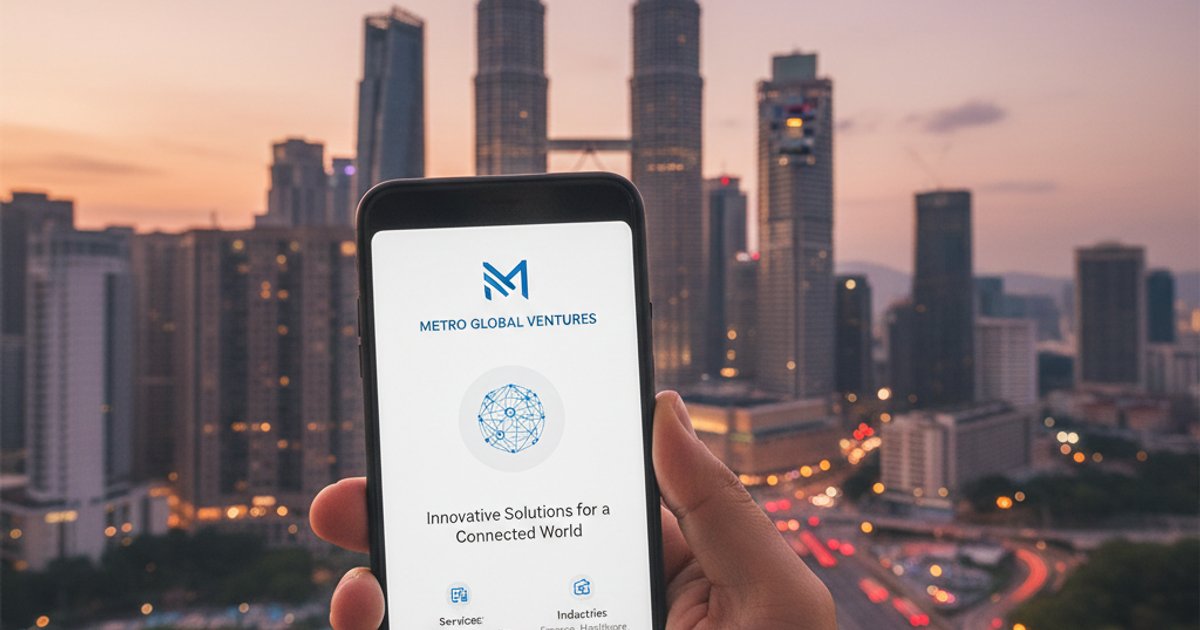
In Malaysia, the digital landscape is not just evolving; it’s practically a way of life. With 88% of Malaysia’s population being digital consumers and spending nearly three hours daily on social platforms, your company profile isn’t just a printed brochure anymore. It’s a dynamic, digital asset that needs to perform seamlessly across various devices and platforms.
This means your company profile design must be mobile-friendly and optimized for digital consumption. What looks great on a desktop might be unreadable on a smartphone. This isn’t just a technical requirement; it’s a psychological one. A frustrating user experience leads to immediate disengagement, regardless of how compelling your content might be.
Optimizing for Digital Engagement and Persuasion
- Mobile Responsiveness: This is non-negotiable. Your profile must adapt flawlessly to different screen sizes. Text should be legible, images should load quickly, and navigation should be intuitive on a mobile device.
- Interactive Elements: Consider embedding videos, interactive infographics, or clickable case studies. These elements can significantly increase engagement and provide a richer, more immersive experience than static text.
- Speed and Efficiency: Malaysians are digital natives and expect quick access to information. Optimize image sizes and code to ensure fast loading times. Slow loading pages are a major turn-off and can negatively impact perception.
- Social Media Integration: Given the heavy social media usage in Malaysia (nearly 10 hours per week on social platforms), ensure your digital profile can be easily shared and linked across platforms. This extends your reach and leverages social proof.
- Accessibility: Design with accessibility in mind. Clear contrasts, readable font sizes, and logical structures benefit everyone and demonstrate inclusivity.
Measuring Impact: Does Your Profile Drive Action?
A company profile, no matter how beautifully designed or psychologically astute, is ultimately a business tool. Its success should be measured by its ability to drive specific actions: attracting investors, securing partnerships, or converting leads into clients. This means having clear objectives and ways to track if your profile is meeting them.
In my line of work, I’ve seen too many businesses create profiles without a clear purpose beyond ‘having one.’ That’s a missed opportunity. Your profile should be an active participant in your business development, not just a passive document.
Actionable Strategies for Maximizing Profile Effectiveness
- Define Your Objective: Before you even start designing, ask: What do I want the reader to *do* after reading this profile? Invest? Partner? Hire us? This clarity will inform every design and content decision.
-
Clear Calls-to-Action (CTAs): Don’t make your audience guess what to do next. Include prominent, clear CTAs throughout your digital profile.
A company profile, no matter how beautifully designed or psychologically astute, is ultimately a business tool. Its success should be measured by its ability to drive specific actions: attracting investors, securing partnerships, or converting leads into clients. This means having clear objectives and ways to track if your profile is meeting them.
In my line of work, I’ve seen too many businesses create profiles without a clear purpose beyond ‘having one.’ That’s a missed opportunity. Your profile should be an active participant in your business development, not just a passive document. A well-executed strategic company profile design drives growth by clearly articulating value and inspiring confidence.
For businesses aiming to stand out in the competitive landscape of Kuala Lumpur, a strategic company profile design in KL is essential for attracting and retaining top talent, as well as securing crucial partnerships.
Last updated: July 26, 2026