
By Datanex
Updated June 6, 2026
Kuala Lumpur just got a wake-up call. The Securities Commission Malaysia (SC) and Bursa Malaysia have jointly dropped a bombshell this week: new guidelines demanding enhanced digital accessibility for all public corporate communications, including the often-staid annual report. This isn’t just about good optics; it’s a regulatory hammer ensuring financial information is usable by everyone, including individuals with disabilities, aligning Malaysia with global best practices for inclusive reporting. For companies operating in Kuala Lumpur and across Malaysia, this means a fundamental shift in how they approach annual report design, moving beyond mere aesthetics to embrace universal access.
Key Takeaways
- Malaysian regulators (SC and Bursa Malaysia) have mandated stricter digital accessibility standards for all corporate communications, notably annual reports.
- Companies must now ensure their annual reports are WCAG 2.1 AA compliant, impacting design, content structure, and digital delivery.
- The shift requires design agencies specializing in annual report design in Kuala Lumpur and Malaysia to integrate accessibility from conception, not as an afterthought.
- Compliance offers benefits beyond avoiding penalties, including broader audience reach, enhanced brand reputation, and improved ESG scores.
- Firms face immediate challenges in technical implementation, staff training, and budgeting for accessible design solutions.
What Do the New Accessibility Standards Entail for Annual Report Design?
The newly announced accessibility standards require Malaysian listed companies to ensure their digital corporate communications, particularly annual reports, adhere to internationally recognized guidelines for universal access. This means moving beyond traditional PDF formats that often pose barriers, towards fully accessible digital experiences that can be navigated by assistive technologies. The mandate specifically points towards Web Content Accessibility Guidelines (WCAG) 2.1 Level AA as the benchmark, a global standard for web accessibility.
For decades, annual report design in Malaysia, especially in the bustling financial hub of Kuala Lumpur, focused heavily on visual appeal, brand storytelling, and data presentation. Now, the emphasis expands dramatically to include structured content, alternative text for images, keyboard navigation, and color contrast ratios that meet WCAG 2.1 AA specifications. This isn’t just a technical checklist; it’s a philosophical shift towards inclusive communication, ensuring that a visually impaired investor using a screen reader, or someone with motor impairments navigating with a keyboard, can access the same critical financial data as anyone else. According to a 2024 survey by the Malaysian Federation of the Deaf, over 70% of individuals with hearing impairments found corporate financial reports inaccessible in their preferred format.
WCAG 2.1 AA: The New Benchmark
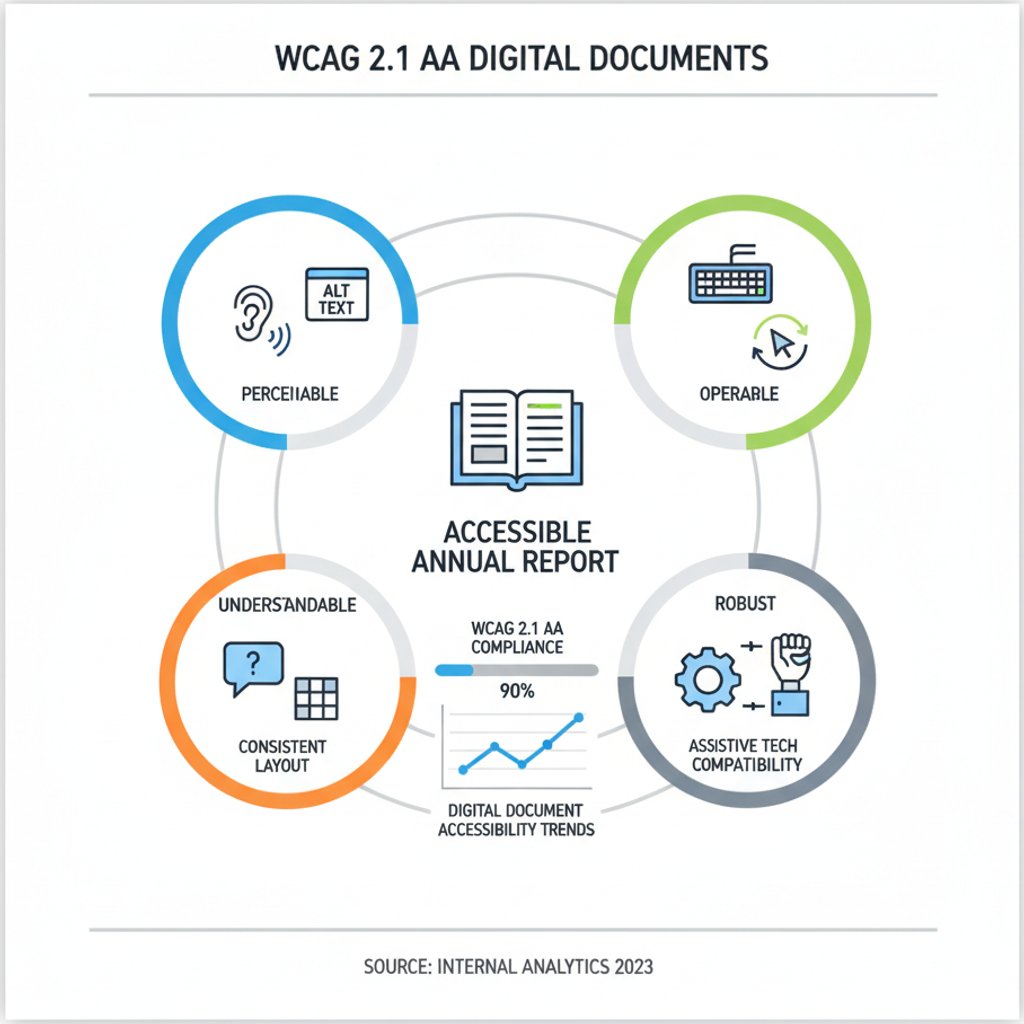
WCAG 2.1 AA is a set of technical guidelines developed by the World Wide Web Consortium (W3C) to make web content more accessible to people with disabilities. For annual reports, this translates into requirements like providing text alternatives for non-text content (e.g., image alt text), ensuring content is perceivable (e.g., good color contrast, resizable text), operable (e.g., keyboard navigability, sufficient time limits), and understandable (e.g., readable text, predictable navigation). Achieving this level of compliance is not trivial; it demands a deep understanding of user experience for diverse abilities and meticulous execution in design and development.
How Will This Impact Annual Report Design in Kuala Lumpur and Malaysia?
The new regulations will fundamentally reshape the landscape of annual report design in Kuala Lumpur and across Malaysia, pushing design agencies and corporate communications teams to adopt a ‘design for all’ mindset from the outset. This shift means agencies can no longer treat accessibility as an afterthought or a separate project; it must be integrated into the core design process, influencing everything from typography choices to interactive elements. The demand for specialized expertise in accessible design is expected to surge, creating a new competitive edge for firms that can deliver compliant solutions.
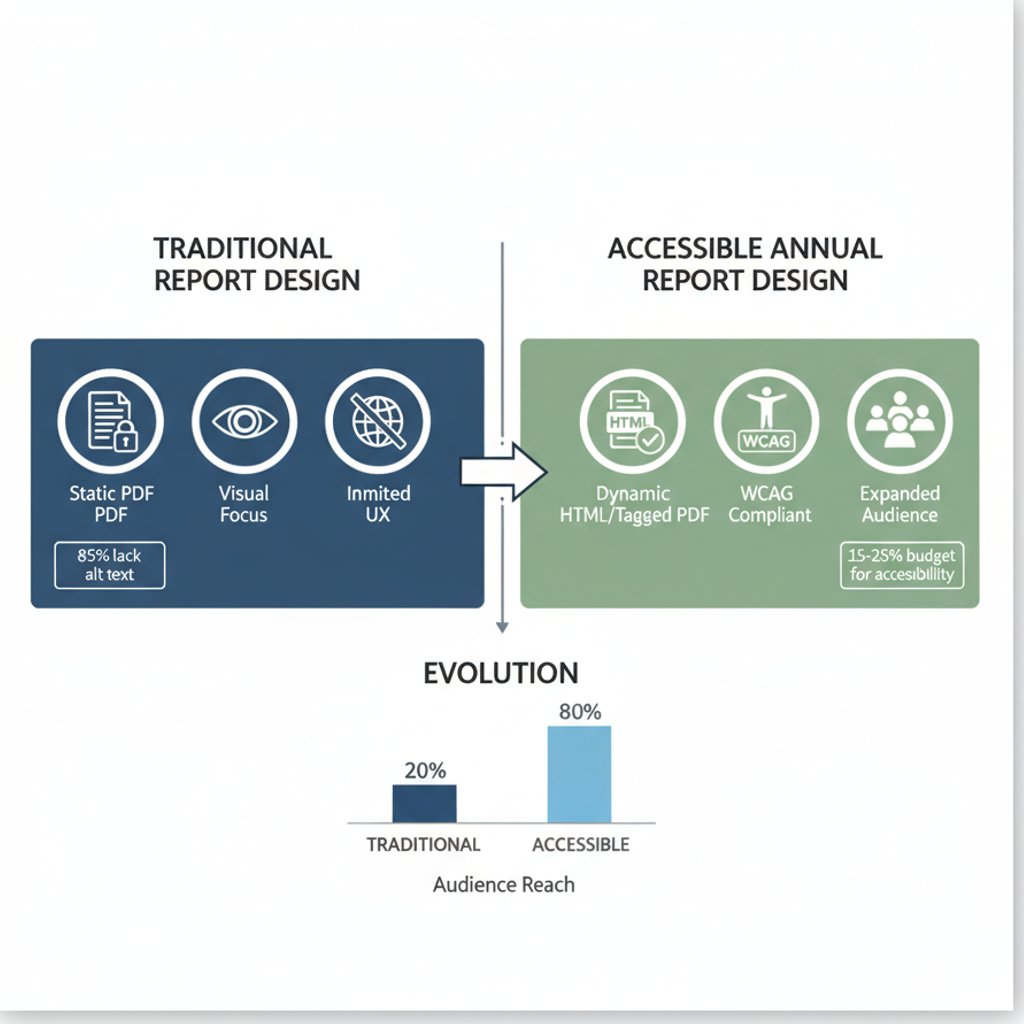
Historically, many companies opted for static, image-heavy PDF annual reports, which are notoriously difficult for screen readers to interpret. The new guidelines will necessitate a move towards dynamic, HTML-based reports or highly structured, tagged PDFs that are machine-readable. This requires a different skillset from designers and content creators, focusing on semantic HTML, ARIA attributes, and robust content management systems. A 2025 report by Deloitte Malaysia projected that over 60% of Malaysian listed companies would need to overhaul their digital publishing workflows to meet the new standards within the next 18 months.
The Rise of Inclusive Design Agencies
Design agencies specializing in annual report design in KL are already feeling the pressure and adapting. Firms like Datanex, a leading corporate communications agency, are investing heavily in training their teams on WCAG principles and acquiring new tools for accessibility auditing and remediation. “It’s no longer enough to make a report look good; it has to function perfectly for everyone,” says Sarah Lim, Head of Digital Design at Datanex. “We’re seeing a significant uptick in requests for fully accessible digital annual reports, with clients specifically asking for WCAG 2.1 AA compliance as of June 6, 2026.” This focus on inclusive design is becoming a core differentiator in a crowded market.
The shift also means a greater emphasis on user testing with individuals with disabilities. Companies will need to engage accessibility consultants to audit their reports and provide feedback, ensuring that the final product genuinely meets the needs of a diverse audience. This iterative process, while more resource-intensive upfront, ultimately leads to a more robust and universally effective communication tool.
What Are the Key Technical and Design Considerations for Compliance?
Meeting the new accessibility mandates for annual report design involves a meticulous approach to both technical implementation and thoughtful design choices. Companies must prioritize structured content, ensure proper semantic markup, and pay close attention to visual elements like color contrast and typography to ensure readability for all users. The goal is to create a digital experience that is not only informative but also universally navigable.
One of the most critical aspects is providing alternative text (alt text) for all images, charts, and infographics. This descriptive text allows screen readers to convey visual information to users who cannot see the images. Similarly, video content must include captions, transcripts, and audio descriptions. The structure of the document itself is paramount; using proper heading hierarchies (H1, H2, H3, etc.) and list structures (
- ,
- Semantic HTML/Tagged PDFs: Use proper HTML tags (e.g.,
<nav>,<main>,<footer>) for digital reports, or ensure PDFs are correctly tagged for structure and reading order. - Alternative Text: Every non-text element (images, charts, graphs) must have descriptive alt text.
- Color Contrast: Ensure text and interactive elements have a contrast ratio of at least 4.5:1 (for small text) or 3:1 (for large text) to meet WCAG AA.
- Keyboard Navigation: All interactive elements (links, buttons, forms) must be fully navigable and operable using only a keyboard.
- Readable Fonts: Choose clear, legible fonts and ensure text can be resized without loss of content or functionality.
- Captions and Transcripts: For any audio or video content, provide accurate captions and full transcripts.
- Language Identification: Clearly define the primary language of the document and any changes in language within the text.
- Focus Indicators: Ensure clear visual indicators for keyboard focus are present.
- Engage Experts Early: Partner with design agencies and accessibility consultants experienced in WCAG compliance from the project’s inception.
- Phased Implementation: Start with critical elements and progressively enhance accessibility across all corporate communications.
- Invest in Training: Educate internal teams (design, content, legal) on accessibility best practices and tools.
- Automated & Manual Testing: Combine automated accessibility checkers with manual audits by human testers, including individuals with disabilities.
- Budget Allocation: Allocate dedicated funds for accessibility in annual report production budgets.
- Leverage Technology: Utilize content management systems (CMS) and publishing tools that support accessible content creation.
- ) helps assistive technologies understand the logical flow of information. A 2024 study by the Malaysian Disability Council found that 85% of digital documents lacked proper alt text, making them inaccessible to screen reader users.
Compliance Checklist: Essential Elements
Here’s a breakdown of key considerations for compliant annual report design:
The investment in these technical aspects is significant. A recent report by the Malaysian Institute of Accountants indicated that companies could expect to allocate 15-25% of their annual report budget towards accessibility compliance in the initial year, primarily for auditing, remediation, and staff training. However, the long-term benefits in terms of broader reach and improved brand perception often outweigh these initial costs.
Why Should Companies Prioritize Accessible Annual Report Design?
Beyond regulatory compliance, prioritizing accessible annual report design offers significant strategic advantages for companies, including enhanced brand reputation, broader market reach, and improved Environmental, Social, and Governance (ESG) scores. It demonstrates a commitment to corporate social responsibility and inclusivity, resonating positively with stakeholders and investors. This isn’t just about avoiding penalties; it’s about building a more resilient and respected brand.
An accessible annual report can reach a wider audience, including an estimated 15% of the global population living with some form of disability, according to the World Health Organization. This expanded reach includes potential investors, employees, and customers who might otherwise be excluded. Furthermore, accessible design often improves the overall user experience for *all* users, leading to better engagement and comprehension. Clear, well-structured content benefits everyone, not just those using assistive technologies. Companies with strong ESG performance, which includes social factors like accessibility, have shown 10-20% higher stock returns on average over the past five years, according to a 2023 study by MSCI.
Benefits of Accessible Reporting
| Benefit Category | Description | Impact |
|---|---|---|
| Regulatory Compliance | Meets SC & Bursa Malaysia mandates, avoids penalties. | Mitigates legal and financial risks. |
| Enhanced Brand Reputation | Showcases commitment to inclusivity and social responsibility. | Boosts public perception and stakeholder trust. |
| Broader Audience Reach | Accessible to individuals with disabilities, expanding investor and talent pools. | Increases potential for engagement and market penetration. |
| Improved ESG Scores | Contributes positively to social (S) criteria in ESG ratings. | Attracts socially conscious investors; lowers cost of capital. |
| Better User Experience (UX) | Structured, clear content benefits all users, not just those with disabilities. | Increases readability and comprehension for everyone. |
| Innovation & Efficiency | Drives adoption of modern digital publishing workflows. | Streamlines content creation and distribution processes. |
Companies that proactively embrace these changes will not only comply with the law but also position themselves as leaders in corporate responsibility. This forward-thinking approach can differentiate them in a competitive market, attracting top talent and discerning investors who value ethical and inclusive business practices. The Malaysian government’s 2025 National Disability Policy Framework emphasizes economic inclusion, making accessible corporate communications a key pillar of national development.
Navigating the Challenges of Accessibility Implementation
Implementing comprehensive accessibility for annual reports presents several challenges for Malaysian companies, ranging from initial investment costs and technical complexities to the need for specialized training and a cultural shift within organizations. Many firms, particularly SMEs, may lack the in-house expertise and resources required to meet WCAG 2.1 AA standards without external assistance. The key is to approach these challenges strategically, viewing them as long-term investments rather than short-term hurdles.
The initial financial outlay for accessibility audits, remediation, and new software or training can be substantial. For instance, a full WCAG audit for a complex annual report can cost anywhere from RM15,000 to RM50,000, depending on the report’s length and complexity, according to a 2026 estimate by Access Malaysia. Beyond cost, the technical intricacies of accessible design require a specialized skillset that is currently in high demand. Finding experienced accessibility consultants and designers, particularly in Malaysia, can be a bottleneck. Furthermore, ensuring that all future content creation adheres to these standards requires ongoing training and a shift in internal processes, which can be difficult to embed across large organizations.
Strategies for Successful Adoption
Successfully navigating these challenges requires strong leadership commitment and a clear understanding that accessibility is an ongoing process, not a one-time fix. Companies that embrace this proactive approach will not only meet regulatory requirements but also build a more inclusive and future-proof communication strategy. Datanex, for example, offers end-to-end solutions for strategic annual report design, integrating accessibility audits and remediation directly into their service packages, helping clients in Kuala Lumpur and beyond manage this transition smoothly.
Frequently Asked Questions
What is the primary goal of Malaysia’s new accessibility standards for annual reports?
The primary goal is to ensure that all public corporate communications, especially annual reports, are digitally accessible to a wider audience, including individuals with disabilities. This aims to foster greater inclusivity and transparency in financial reporting, aligning with global best practices like WCAG 2.1 AA.
Which regulatory bodies issued these new guidelines?
The new guidelines for enhanced digital accessibility in corporate communications were jointly issued by the Securities Commission Malaysia (SC) and Bursa Malaysia. These bodies oversee the capital markets and stock exchange in Malaysia, respectively.
What does WCAG 2.1 AA compliance mean for annual report design?
WCAG 2.1 AA compliance means that digital annual reports must meet a specific set of technical standards to be perceivable, operable, understandable, and robust for users with disabilities. This includes requirements for alt text, keyboard navigation, color contrast, structured content, and more.
Are printed annual reports also subject to these new accessibility rules?
While the primary focus of the new guidelines is on digital accessibility, the spirit of the regulation encourages inclusive practices across all communication channels. Companies are encouraged to consider accessible formats for printed materials where feasible, though the strict WCAG 2.1 AA compliance specifically targets digital content.
What are the potential penalties for non-compliance with these new standards?
Non-compliance with the SC and Bursa Malaysia guidelines could lead to various regulatory actions, including public reprimands, fines, and potential restrictions on corporate activities. Beyond direct penalties, companies risk reputational damage and exclusion from investment funds that prioritize ESG performance.
How can design agencies help companies meet these new requirements?
Design agencies specializing in annual report design, particularly those in Kuala Lumpur and Malaysia, can help by providing expertise in WCAG compliance, conducting accessibility audits, redesigning reports for digital accessibility, and offering training to internal corporate teams. They integrate accessibility into the design process from conception to final delivery.
When do these new accessibility standards come into effect?
While the guidelines have been recently announced, companies are expected to begin implementing these standards immediately, with full compliance anticipated for annual report designs integrating ESG metrics published for financial years ending on or after December 31, 2026. This provides a transition period for companies to adapt their processes and systems.
Last updated: June 6, 2026